Fiberglass Sleeving
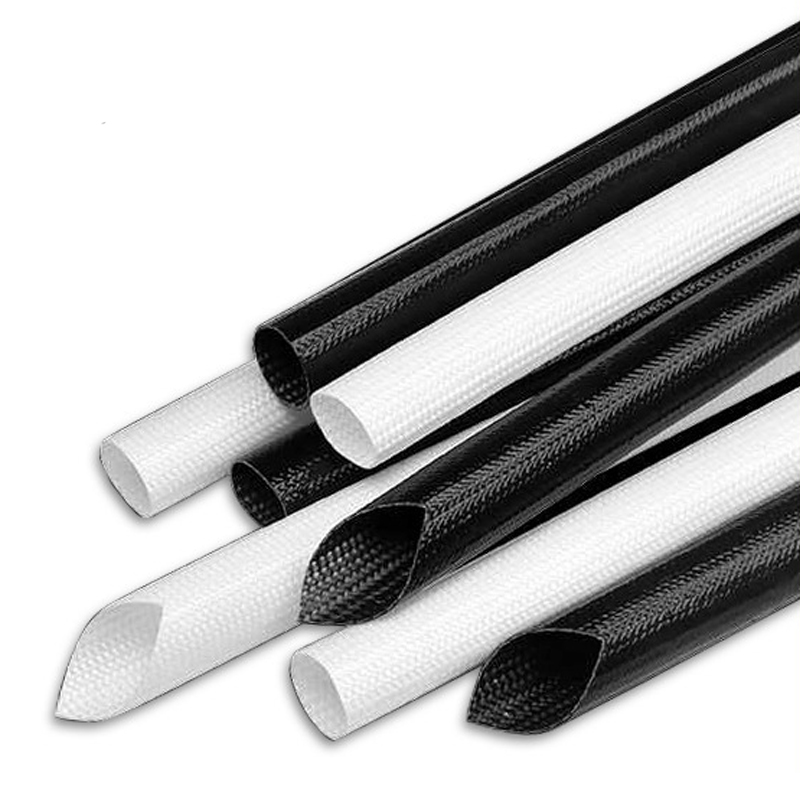
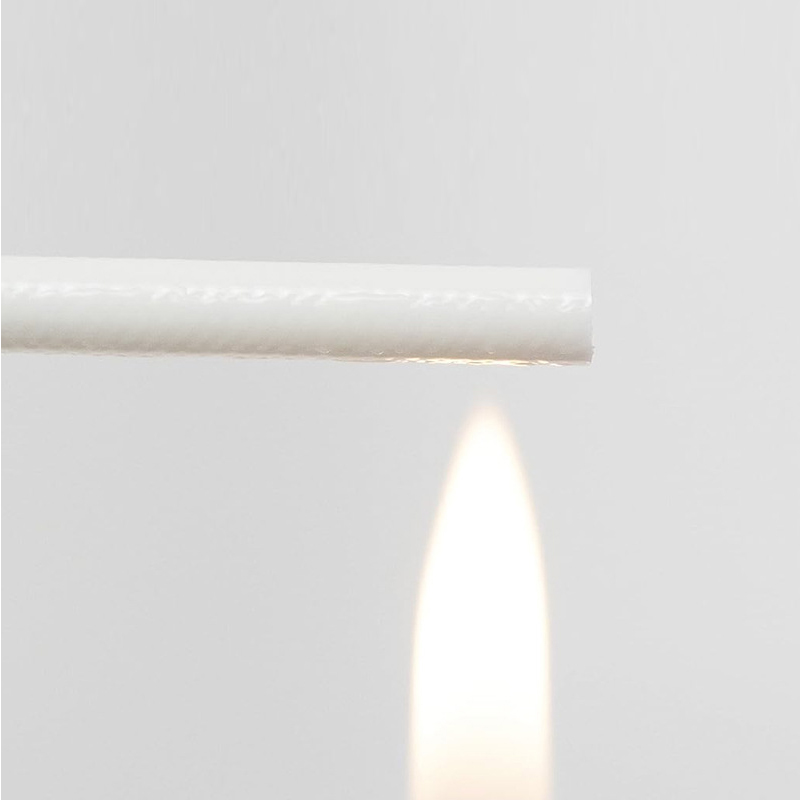
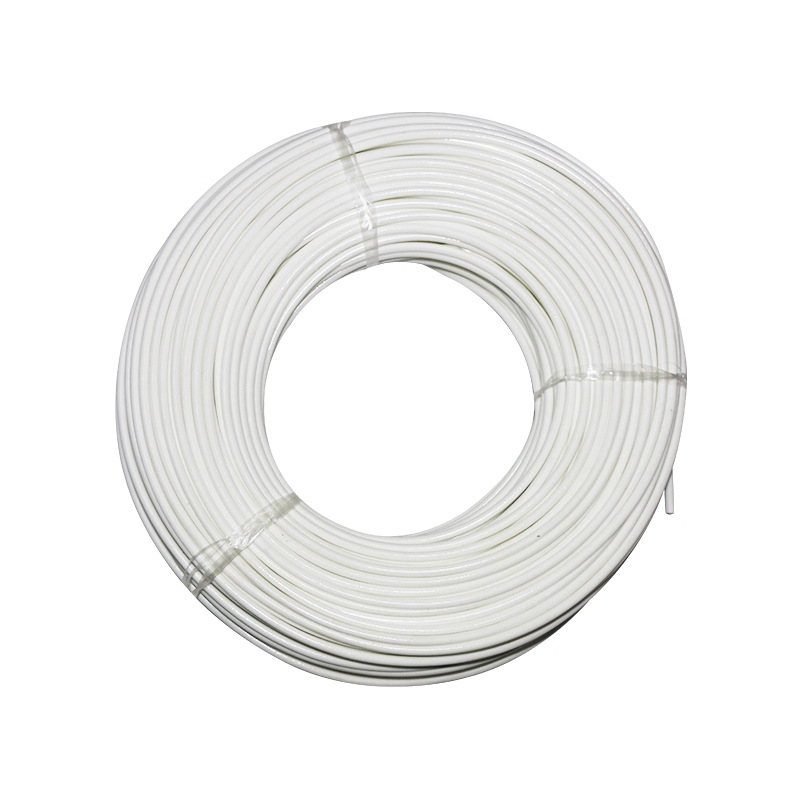
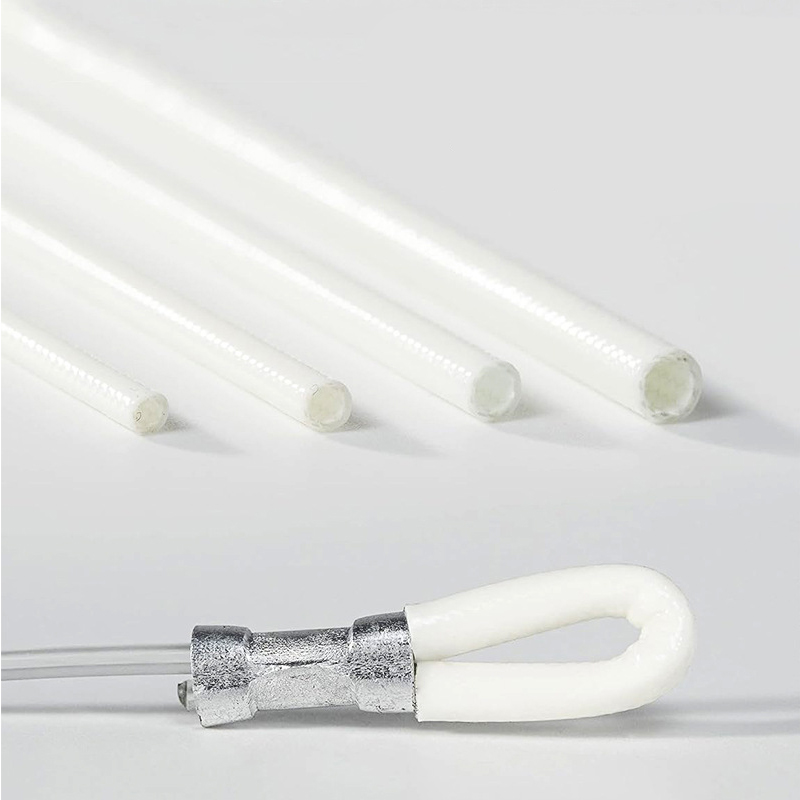
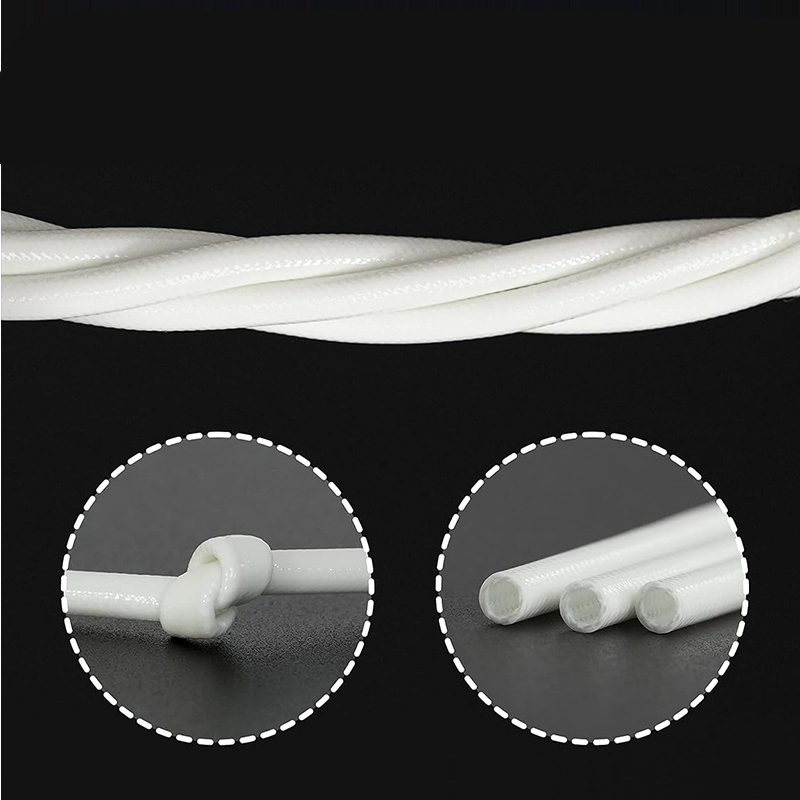
Fiberglass tube (glass fiber tube) is a high-performance composite material pipe manufactured using glass fiber as reinforcement material and synthetic resin as the matrix, produced through processes such as winding, pultrusion, or braiding. The manufacturing process involves impregnating glass fiber filaments with resin, then curing them in a high-speed photoelectric-thermal polymerization device, followed by pultrusion and shaping.
Depending on the resin type used, fiberglass tubes can be classified as polyester fiberglass, epoxy fiberglass, or phenolic fiberglass tubes. Fiberglass tubes are lightweight yet rigid, non-conductive, and offer high mechanical strength, aging resistance, high-temperature resistance, and corrosion resistance, making them ideal for electrical insulation, industrial piping, and wire protection applications.
**Key Features**
| **Excellent Electrical Insulation** | Fiberglass is a non-conductive material; insulation resistance reaches 10¹²-10¹⁵Ω·cm; ideal for power transmission and telecommunication applications |
| **Lightweight & High Strength** | Relative density of only 1.5-2.0 (1/4-1/5 of carbon steel), yet tensile strength comparable to or exceeding carbon steel; specific strength comparable to high-grade alloy steel |
| **High Temperature Resistance** | Long-term use from -40℃ to +70℃; special high-temperature resin formulations can operate above 200℃ |
| **Excellent Corrosion Resistance** | Resists acids, alkalis, salts, untreated sewage, corrosive soils, chemical wastewater, and various chemical liquids |
| **Good Freeze Resistance** | No cracking even when internal liquid freezes at temperatures below -20℃ |
| **Excellent Abrasion Resistance** | After 3 million rotation abrasion tests, inner wall wear depth is only 0.21mm, far superior to coated steel pipes (0.52-0.53mm) |
| **Low Friction Resistance** | Smooth inner wall with roughness coefficient of only 0.0084; excellent fluid flow; no scaling or wax deposition; high conveying capacity |
| **Good Design Flexibility** | Flexible design for various structural products; excellent product integrity |
| **Excellent Thermal Insulation** | Low heat transfer coefficient of 0.23 (5/1000 of steel); superior thermal insulation performance |
**Product Types**
| Type | Description | Best For |
| **Silicone Resin Fiberglass Tube** | Silicone resin coating; soft and flexible | Electronic component insulation, H-class motor insulation |
| **Silicone Rubber Fiberglass Tube** | Inner fiber + outer rubber or outer fiber + inner rubber construction | High-temperature wire protection, heat-resistant applications |
| **Epoxy Fiberglass Wound Tube** | High-strength epoxy resin + fiberglass filament winding | Electrical insulation components, high-voltage apparatus sleeves |
| **Fiberglass Braided Sleeving** | Braided construction; soft and wear-resistant | Cable bundling, mechanical protection |
| **RTP (Reinforced Thermoplastic Pipe)** | PE inner + fiberglass reinforcement layer + PE outer layer |井下 fluid transport, high-pressure transmission pipelines |
| **Steel Lined Fiberglass Pipe** | Steel outer + fiberglass inner | Chemical corrosive media transfer |
| **RPM (Reinforced Plastic Mortar Pipe)** | Fiberglass + resin + quartz sand composite | Municipal water supply/drainage, sewage treatment |
**Applications**
Fiberglass tube is widely used across multiple industries:
| Application Field | Specific Uses |
| **Electronics & Electrical** | Motor insulation sleeves, appliance internal wire protection, high-voltage apparatus sleeves, electronic component insulation |
| **Petrochemical** | Highly corrosive chemical transfer lines, corrosion-resistant piping systems, chemical media transport |
| **Power Industry** | Cable protection tubes, high-voltage transmission line insulation, substation insulation components |
| **Aerospace** | Aircraft wire harness protection, lightweight structural components, high-temperature applications |
| **New Energy** | EV wire harness protection, wind turbine components, energy storage system internal protection |
| **Automotive** | Engine compartment wire protection, high-temperature lines, sensor cable protection |
| **Municipal Engineering** | Urban water supply/drainage pipelines, sewage treatment piping, seawater desalination systems |
| **Rail Transportation** | Railway signal wire protection, train wire bundling, vehicle internal piping |
| **Telecommunications** | Communication optical cable protection tubes, base station internal cable management |
| **Marine Industry** | Marine electrical wire protection, ballast water pipes, seawater piping systems |
**Key Advantages**
**1. Excellent Electrical Insulation**
Fiberglass tube is a non-conductive material with insulation resistance up to 10¹²-10¹⁵Ω·cm. It is particularly suitable for power transmission, telecommunication lines in dense areas, and lightning-prone regions, effectively ensuring electrical system safety.
**2. Lightweight & High Strength**
With a relative density of only 1.5-2.0 (1/4-1/5 of carbon steel), yet tensile strength comparable to or exceeding carbon steel, the specific strength rivals high-grade alloy steel. This provides significant advantages in aerospace, high-pressure vessels, and other weight-critical applications.
**3. High Temperature & Corrosion Resistance**
Long-term use from -40℃ to +70℃, with special formulations operating above 200℃. Excellent resistance to acids, alkalis, and various chemical media with a service life exceeding 30 years.
**4. Excellent Abrasion Resistance**
After 3 million rotation abrasion tests, inner wall wear depth is only 0.21mm, far superior to traditional coated steel pipes at 0.52-0.53mm. Particularly suitable for conveying sand, slurry, and other abrasive media.
**5. Superior Hydraulic Performance**
Smooth inner wall with a roughness coefficient of only 0.0084; excellent fluid flow; no scaling or wax deposition; significantly reduces pipeline operation and maintenance costs.
**6. Flexible Design & Customization**
Pressure ratings, stiffness grades, and structural configurations can be flexibly designed for different requirements. Available in custom colors, sizes, and specifications for various specialized applications.
**Why Choose Fiberglass Tube?**
Compared to other insulation and piping materials, fiberglass tube offers:
*Highest Mechanical Strength**: Suitable for demanding industrial applications
*Excellent Electrical Insulation**: 10¹²-10¹⁵Ω·cm volume resistivity
*Wide Temperature Range**: -40℃ to +200℃ for most applications
*Superior Corrosion Resistance**: Ideal for harsh chemical environments
*Excellent Abrasion Resistance**: Far superior to coated steel pipes
*Low Maintenance**: No scaling, no wax deposition, long service life
Fiberglass is a non-conductive material